
Synopsis
In 2026, the luxury sector has moved beyond surface-level aesthetics to embrace neuroaesthetics in hospitality. This revolutionary approach utilizes the principles of neurobiology in design to create environments that actively modulate the guest’s nervous system. We explore how biophilic hotel architecture and circadian lighting systems are being used to reduce cortisol levels and enhance cognitive recovery. By understanding the sensory design for wellness, architects and operators can now engineer spaces that trigger specific emotional responses, from deep relaxation to heightened creativity. This shift toward evidence based wellness design is transforming the “guest experience” into a measurable biological outcome. We detail how integrating neurobiology in design is the new benchmark for high-yield wellness assets, ensuring that luxury hospitality neurobiology becomes a core driver of guest loyalty and premium pricing in the evolving wellness market.
Table of Content
- The Shift from Aesthetic to Biological Design
- Understanding Neuroaesthetics in Hospitality
- The Role of Biophilic Hotel Architecture
- Sensory Design for Wellness - Beyond the Visual
- Circadian Mastery and Sleep Hygiene
- The Financial Case for Evidence Based Wellness Design
- The Consult Folio Difference - Integrated Strategy
- Sustaining Excellence with Consult Folio
The Shift from Aesthetic to Biological Design
For decades, luxury design was defined by opulence and exclusivity. In 2026, the definition has changed: true luxury is the ability of a space to heal . Neurobiology in design focuses on how the physical environment interacts with the human brain . By manipulating proportions, materials, and light, designers can lower a guest’s heart rate and transition them from a state of “high-alert” to “rest-and-digest” within minutes of arrival. This transition is not accidental; it is a calculated application of luxury hospitality neurobiology aimed at providing the ultimate sanctuary for the over-stimulated modern traveler.
Understanding Neuroaesthetics in Hospitality
Neuroaesthetics in hospitality is the study of the neural bases for the contemplation and creation of a work of art or a beautiful space . It recognizes that our brains are hardwired to respond to specific patterns, such as fractals found in nature or the “Golden Ratio” in architecture . When a guest comments that a lobby feels “right,” they are often responding to these deeply embedded biological preferences. By utilizing neuroaesthetics in hospitality, designers can create an intuitive sense of “belonging” and “safety,” which are the psychological foundations of high-end hospitality.
The Role of Biophilic Hotel Architecture
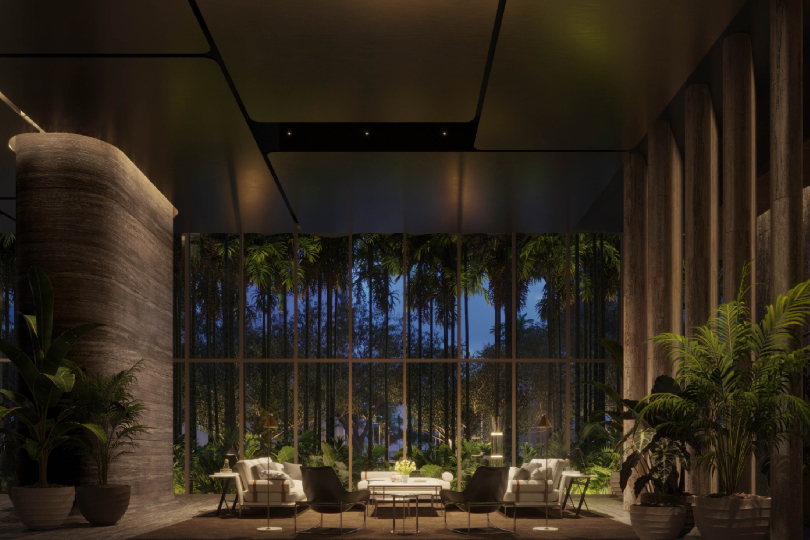
Biophilic hotel architecture is the most visible application of neurobiology, focusing on the innate human connection to nature . In 2026, this goes beyond adding potted plants; it involves the integration of living walls, water features that mimic natural acoustic frequencies, and “view-to-nature” corridors . Biophilic hotel architecture has been proven to reduce recovery times for travelers and improve mood by mimicking the environments in which the human brain evolved . This design philosophy is a cornerstone of evidence based wellness design, transforming the hotel into a living, breathing ecosystem.
Sensory Design for Wellness - Beyond the Visual
True sensory design for wellness addresses all five senses to create a cohesive neurological experience . This includes “Haptic Design”—selecting materials like raw stone or textured wood that ground the guest through touch—and “Olfactory Branding” that utilizes scents like cedar or lavender to trigger specific memory centers in the brain . Even the acoustic environment is engineered, using sound masking technology to eliminate “urban noise” and replace it with natural soundscapes . This holistic sensory design for wellness ensures that the guest’s subconscious mind is consistently reinforced with a message of tranquility.
Circadian Mastery and Sleep Hygiene
In the wellness sector, sleep is the ultimate currency. Neurobiology in design prioritizes “Circadian Lighting”—systems that mimic the color temperature and intensity of the sun throughout the day . This regulates the guest’s melatonin production, helping them overcome jet lag faster and achieve deeper REM cycles . When combined with “Black-Out Technology” and sound-insulated “Sleep Pod” designs, the hotel provides a scientific solution to the global sleep crisis. This application of evidence based wellness design is a major differentiator for luxury assets in 2026.
The Financial Case for Evidence Based Wellness Design
The implementation of neurobiology in design is not merely a philanthropic gesture; it is a strategic financial move . Guests are increasingly seeking out properties that offer verifiable wellness outcomes, allowing these hotels to command a 20–30% rate premium . Furthermore, evidence based wellness design leads to higher repeat booking rates, as guests subconsciously crave the neurological “reset” they experience at the property. By investing in luxury hospitality neurobiology, owners are future-proofing their assets against the commoditization of the standard luxury hotel room.
The Consult Folio Difference - Integrated Strategy
Consult Folio bridges the gap between scientific research and operational reality. We assist owners in selecting architects and designers who are experts in neurobiology in design, ensuring that the project’s aesthetic vision is matched by its biological effectiveness . Our USPs—Precision-Driven Strategy, Principal-Led Partnership, and Future-Proofing for ROI—ensure that your investment in biophilic hotel architecture and sensory design for wellness translates into measurable guest satisfaction and superior financial returns .
Sustaining Excellence with Consult Folio
Sustaining excellence in 2026 requires a deep understanding of the human condition. Consult Folio provides a full lifecycle of support, from the initial Hotel Feasibility Analysis to the long-term management of wellness programming . Whether you are looking to renovate an existing property through neuroaesthetics in hospitality or seeking to develop a ground-up wellness resort using evidence based wellness design, we provide the expertise to ensure your property achieves lasting market leadership and neurological impact.
FAQ's
Is neurobiology in design just a fancy term for good interior design?
No. While good design is subjective, neurobiology in design is objective and data-driven . It uses physiological metrics—such as heart rate variability (HRV), skin conductance, and brainwave activity (EEG)—to measure how a person reacts to a space . It is the difference between an architect feeling a space is good and a scientist proving it lowers the occupant’s stress levels.
How does biophilic hotel architecture save on energy costs?
While its primary focus is wellness, many biophilic elements—like living walls and natural ventilation—also improve building insulation and air quality . Living walls act as natural thermal buffers, reducing the load on HVAC systems, while strategic use of natural light (daylighting) reduces the need for artificial lighting during the day . This makes biophilic hotel architecture a win for both the guest’s nervous system and the property’s P&L.
Can existing hotels be retrofitted with neuroaesthetics in hospitality?
Absolutely. Many of the most impactful changes are in the “Senses” rather than the “Structure” . Implementing circadian lighting systems, introducing high-quality acoustic treatments, and replacing synthetic materials with natural, tactile surfaces are all effective ways to apply neuroaesthetics in hospitality to an existing asset without a total reconstruction.
What is the ROI on sensory design for wellness?
The ROI is measured in “Premium ADR” and “Loyalty” . In 2026, guests are willing to pay significantly more for a room that guarantees a better night’s sleep or a more relaxed state of mind . Furthermore, because the experience is “neurological,” the bond between the guest and the brand becomes much deeper, leading to a lifetime value (LTV) that is far higher than that of a standard luxury guest.
How does Consult Folio validate evidence based wellness design?
We use a combination of expert audits and guest data . We work with neuro-design specialists to audit the plans for specific biological triggers and then correlate post-stay guest feedback and “wellness scores” with the design features . This ensures that the luxury hospitality neurobiology promised by the architects is actually being delivered and felt by the guests.